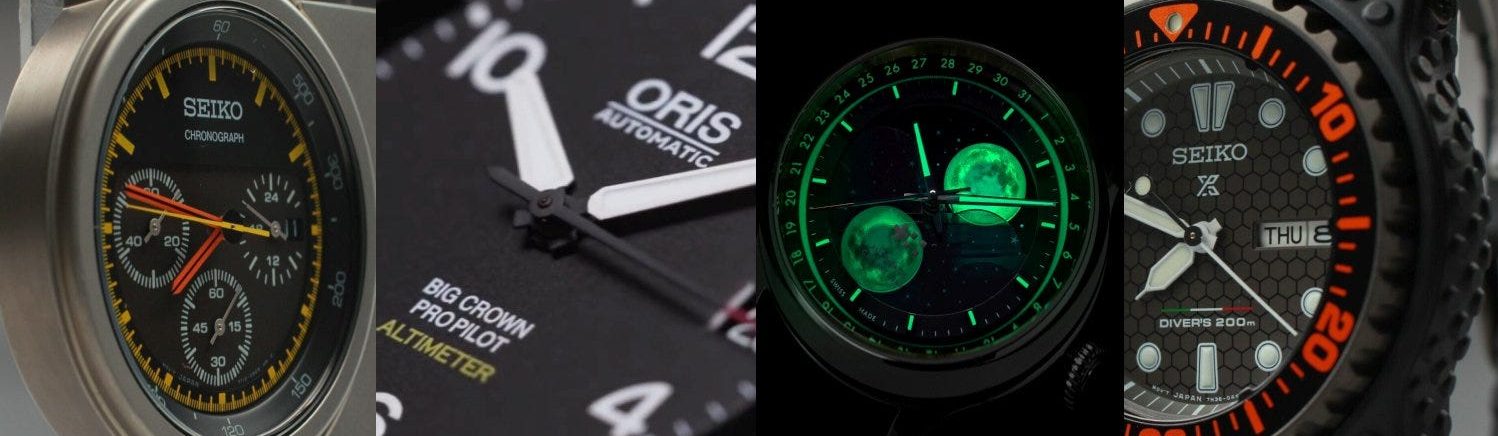


In an era dominated by smartphones, smartwatches, and other digital gadgets, it’s easy to question the relevance of the traditional wristwatch. With modern technology offering the time at a glance alongside countless other features, one might argue that wristwatches are relics of the past. However, this perspective overlooks the multifaceted appeal and enduring practicality of wristwatches. Far from being anachronistic, wristwatches remain an essential accessory, a symbol of craftsmanship, and a medium of personal expression.

Practicality Beyond Timekeeping
While it’s true that most people carry a smartphone capable of displaying the time, wristwatches offer unmatched convenience. A quick glance at your wrist is faster and less intrusive than reaching for a phone, especially in situations where pulling out a device might be inappropriate or disruptive, such as in meetings, during conversations, or while driving. Furthermore, traditional wristwatches are not reliant on batteries in the same way digital devices are. Mechanical watches, for instance, can run for decades with proper maintenance, offering unparalleled reliability compared to gadgets that may become obsolete within a few years.
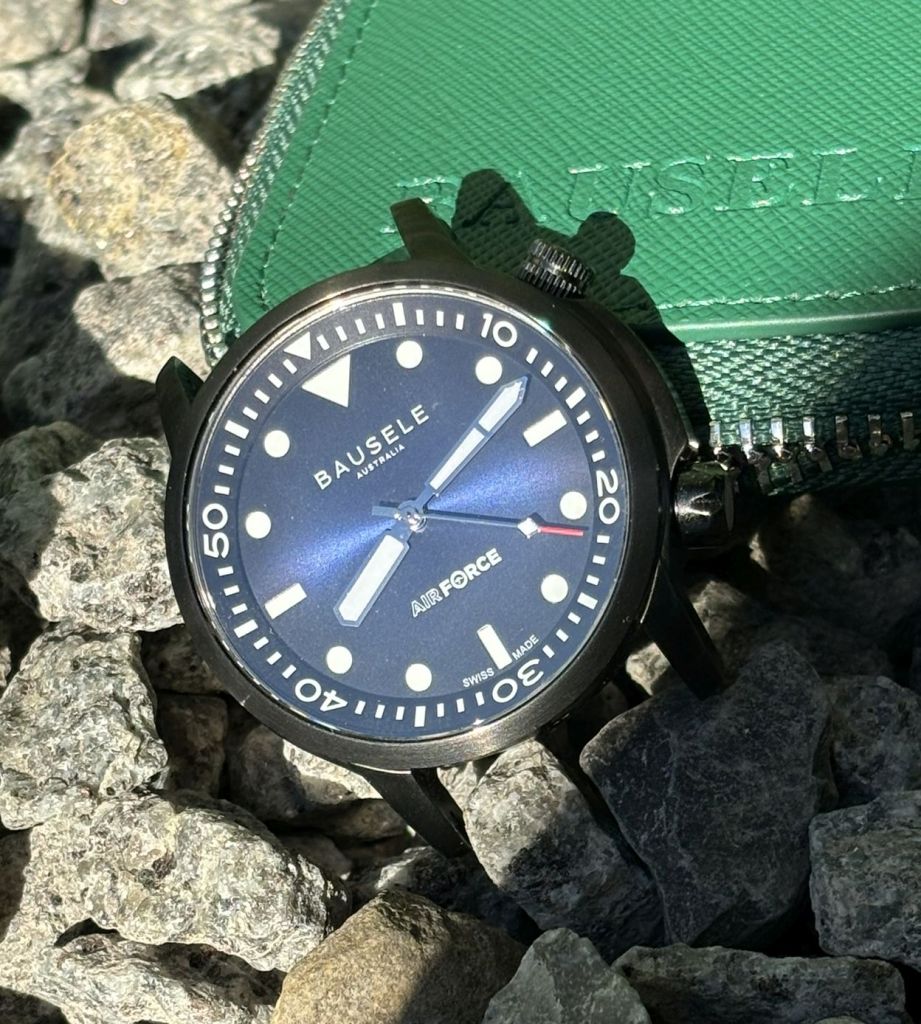
Additionally, many watches are purpose-built tools. Dive watches, pilot watches, and field watches are engineered to perform under specific conditions, offering features like water resistance, robust durability, or precise chronometric functions. These attributes make them indispensable for professionals and enthusiasts alike.

A Testament to Craftsmanship
Wristwatches are more than just time-telling devices; they are works of art. The intricate mechanics of a fine mechanical watch represent a blend of engineering and artistry. Brands like Patek Philippe, Audemars Piguet, and Rolex create pieces that are as much about heritage and craftsmanship as they are about utility. The assembly of hundreds of tiny components into a functional and beautiful timepiece is a feat of human ingenuity that has yet to be rivaled by any digital device.
Even quartz watches, often perceived as less glamorous, embody precision engineering and innovation. The quartz revolution of the 1970s changed the watch industry forever, offering unparalleled accuracy and affordability. Today, quartz movements coexist with mechanical ones, showcasing the diversity and evolution of horology.

A Statement of Personal Style
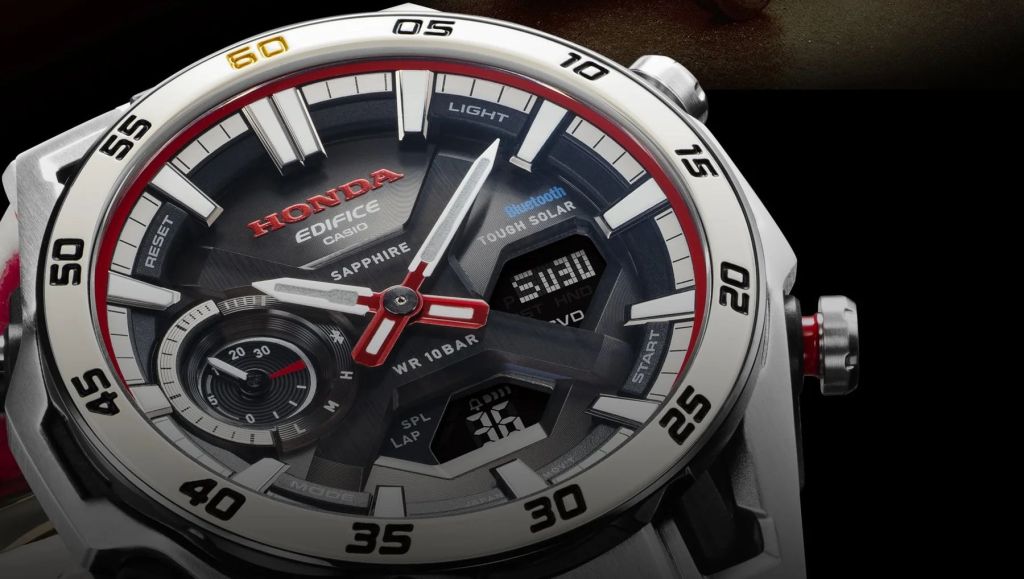
A wristwatch is one of the few accessories that can convey personal style and status effortlessly. Unlike smartphones, which often look nearly identical, watches come in an endless array of designs, materials, and functions. From minimalist designs to intricate complications, there’s a watch for every personality and occasion.
For many, wearing a watch is also about tradition and sentimentality. Heirloom watches passed down through generations carry stories and memories, making them priceless in ways that go beyond monetary value. A wristwatch can mark milestones—a graduation, a first job, or an anniversary—becoming a tangible reminder of life’s important moments.

Durability and Sustainability
In an age of planned obsolescence, wristwatches stand out as durable and sustainable alternatives to many electronic gadgets. A well-made mechanical watch can last a lifetime and beyond, with many vintage timepieces still functioning beautifully after decades. Contrast this with smartphones or smartwatches, which are often discarded after a few years due to battery degradation, software updates, or physical wear.
Mechanical watches, in particular, require no electronic components, making them more environmentally friendly over the long term. By choosing a wristwatch, you’re investing in something built to last, reducing waste and promoting sustainability.
The Emotional Connection
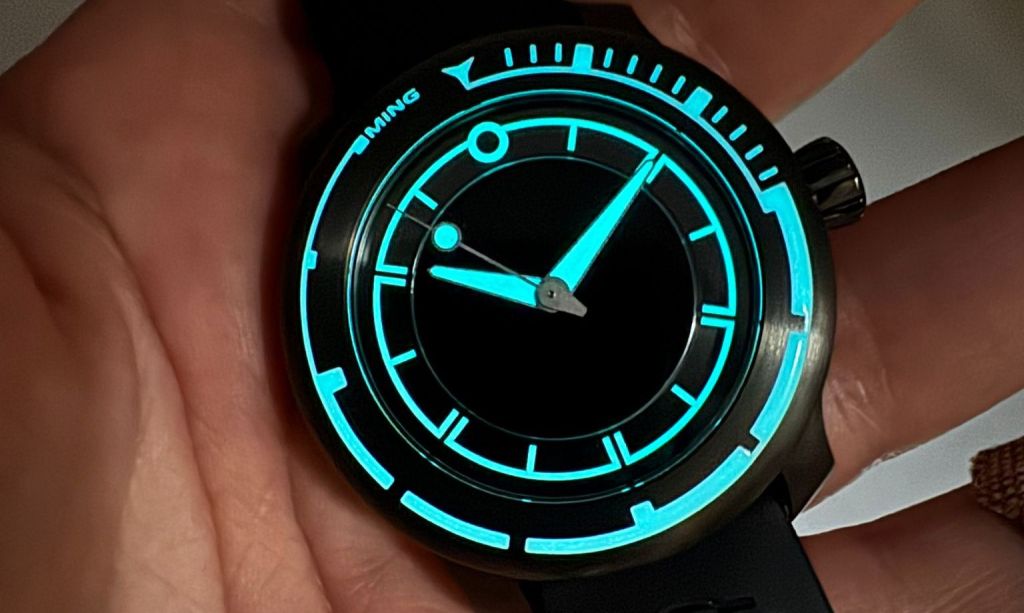
Unlike impersonal digital devices, wristwatches often evoke strong emotional connections. The tactile experience of winding a mechanical watch, the satisfying weight of a solid timepiece on your wrist, and the quiet ticking of the movement create a sense of intimacy and appreciation. Collectors and enthusiasts often speak of the joy of discovering a new watch, learning its history, and marveling at its design and function.
This emotional connection extends to the broader watch community, where enthusiasts share their passion through forums, meetups, and social media. The world of horology is rich with stories, history, and innovation, fostering a sense of belonging and shared appreciation.
Conclusion
In today’s fast-paced, tech-driven world, wristwatches serve as a reminder of the enduring value of craftsmanship, tradition, and personal expression. They are not mere timekeepers but symbols of style, reliability, and heritage. Whether as tools, works of art, or sentimental treasures, wristwatches have cemented their place in modern society. Far from being anachronistic, they are timeless in every sense of the word.


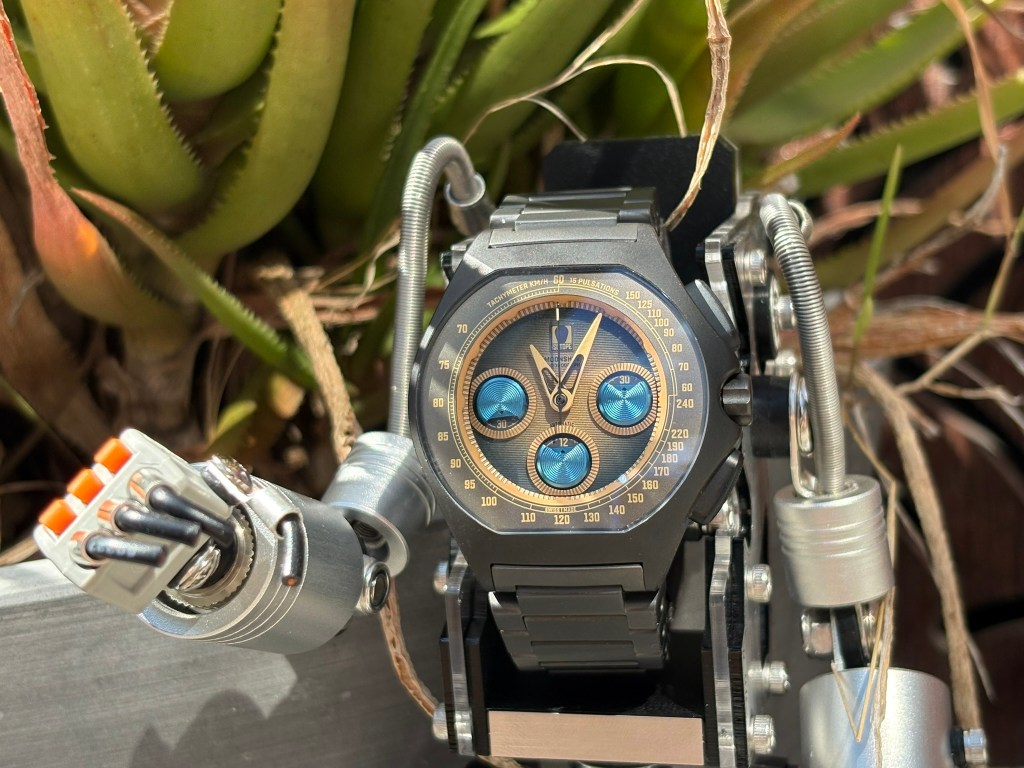
 GNOMONIST